The piano can be more than an instrument; it can be a roadmap for connection, regulation, and growth. With its clean rows of keys, visual patterns, and immediate, predictable feedback, a piano offers a structure that many neurodivergent learners find soothing and empowering. When instruction is tailored to sensory needs and communication preferences, students on the spectrum don’t just learn songs—they practice executive functioning, emotional regulation, and self-advocacy in a setting built around success. Families searching for piano lessons for autism are often looking for a safe way to build focus and self-expression without sacrificing joy. With the right approach, each lesson becomes a reliable routine and a creative outlet, transforming small musical wins into big life skills.
Why Piano Works So Well for Autistic Learners
Piano combines structure with choice, which is especially helpful for learners who thrive on predictability while still needing room for exploration. The keyboard’s left-to-right layout and repeating patterns simplify pitch relationships, so students can visually map where sound “lives.” Press a key and hear a note—no ambiguity, no wait. That clarity reduces cognitive load and helps students connect cause and effect, a cornerstone of confidence in piano lessons for autistic child experiences.
Motor planning also benefits from piano. Finger independence and bilateral coordination build gradually, key by key. Scales and simple ostinatos can be turned into rhythmic “regulation loops” that support co-regulation with a teacher or caregiver. Tempo and dynamics offer sensory modulation: softer playing and measured tempos can soothe, while energetic patterns can re-energize. This makes the instrument a built-in toolkit for managing arousal levels during and after lessons.
For many autistic students, patterns are a natural strength. Chord shapes, stepwise motion, and rhythmic grids reward analytical thinking and pattern recognition. This aligns with the brain’s love of predictability while still encouraging flexible thinking—switching hand positions, inverting chords, or varying rhythms nudges cognitive flexibility without overwhelming students. Over time, learners practice working memory (remembering short sequences), inhibition (starting and stopping on cue), and task-switching (moving between sections)—the same executive skills that support transitions at school and home.
Communication grows too. A student who struggles to express emotions verbally can shape a phrase to “sound sad” or “sound brave,” experimenting with identity in a low-stakes space. Shared duets and call-and-response improvisations build social reciprocity without forced eye contact. When instruction centers autonomy, students choose songs tied to their special interests—film themes, game soundtracks, favorite jingles—turning attention “hooks” into meaningful motivation. In short, the piano’s predictable layout and infinite musical possibilities make piano lessons for autism an ideal bridge between structure and self-expression.
Designing Instruction That Honors Sensory, Cognitive, and Communication Needs
Effective lessons start with environment. Lighting that avoids flicker, minimized background noise, a consistent seating setup, and clear visual boundaries lower the sensory load. Predictable rituals—greeting, warm-up, three target tasks, a preferred activity, and a closure—help the brain settle. Visual schedules, first–then boards, and timers communicate the plan without extra language. Break cards, noise-dampening headphones, or a weighted lap pad can be available without stigma, normalizing co-regulation tools.
Instructional methods should be flexible and multimodal. Some students respond best to color-coded or numbered notation, others prefer icon-based pathways, lead sheets, or chord shells. Back-chaining (teaching the last measure first), errorless learning, and generous modeling reduce frustration. Chunk tasks into tiny wins—one measure, one transition—and celebrate each with immediate, specific feedback. When a student resists a demand, shift to choice architecture: “Do you want to practice the left hand first or the right?” Respecting autonomy often unlocks engagement more reliably than prompting alone.
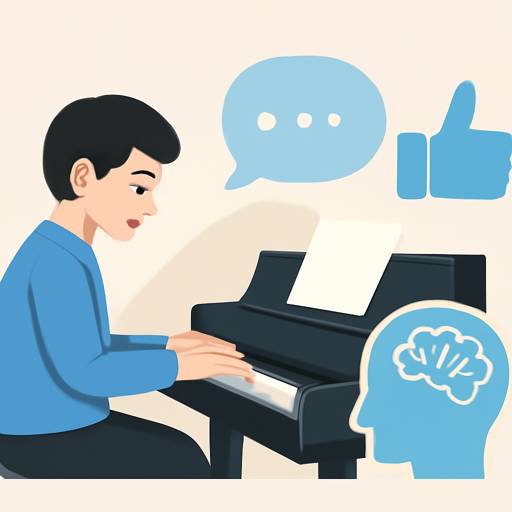
Rhythm becomes an anchor, not a test. Instead of forcing metronome compliance, treat tempo as a co-regulation tool. Start where the body feels settled, then nudge faster or slower as comfort grows. Use call-and-response to practice timing without triggering performance anxiety. Many learners benefit from embodied supports—tapping patterns on the fallboard, marching to a beat, or tracing keyboard maps with fingertips before playing. These somatosensory cues can prime motor plans and reduce hesitation.
Practice plans thrive on clarity and brevity. A home routine might be five minutes, once or twice a day, with micro-goals like “play measure two three times, smooth and soft.” Consistency outperforms duration. Families can tie practice to existing routines (after snack, before screen time) to reduce transition friction. Teachers should provide short video models, visual checklists, and options for nonverbal feedback (thumb cards, gesture sets) so students can self-track progress. When families seek piano lessons for autistic child support, a strengths-first roadmap that honors communication preferences—spoken, typed, AAC—turns music learning into sustainable daily wins.
Choosing the Right Teacher and Real-World Wins from Adaptive Piano
The ideal instructor combines musical expertise with neurodiversity-affirming practice. Look for patience, curiosity, and a growth mindset over rigid method loyalty. Training in special education, occupational therapy collaboration, or trauma-informed teaching is a plus. A good fit feels safe: the teacher invites stims, respects quiet time, and treats behavior as communication. Trial lessons can test rapport and identify sensory tweaks—bench height, pedal access, hand-over-hand alternatives, or camera angles for online lessons.
Ask how progress is measured. Instead of pushing linear repertoire lists, an adaptive teacher tracks functional goals: holding a steady pulse for 20 seconds, shifting hand positions independently, tolerating a tempo change, or choosing between two practice tasks. They will collaborate on supports like AAC integration, visual schedules, or preferred-interest arrangements. Families often benefit from counselors who share quick debriefs after sessions with one take-home tip, such as “Use the soft dynamic as a breathing cue when approaching the tricky bar.”
Finding the right match can be easier with specialized directories and communities focused on adaptive arts. A resource that connects families with a piano teacher for autistic child can streamline the search for instructors who already understand sensory profiles, flexible pacing, and alternative notation. The best partnerships feel co-created: student interests drive repertoire, parents contribute insights about regulation cues, and the teacher continuously adapts materials so wins feel attainable and meaningful.
Consider a few real-world snapshots. Maya, age seven, is nonspeaking and uses AAC. With color-coded finger guides and a two-step visual schedule, she learned a four-bar melody in six weeks. Her family reports that the same color cues now help with shoe-tying sequences. Liam, age twelve, loves video game music and has a PDA profile; high-demand phrasing shuts him down. His teacher reframed tasks as experiments—“Let’s test which left-hand pattern makes this theme sound most heroic”—and let him choose between two short challenges each session. Within three months, he could switch between chords and broken patterns on cue, a sign of growing cognitive flexibility.
Ana, age twenty-eight, experiences sensory overwhelm during transitions. Her teacher built a “landing routine”: a 60-second whole-note drone with the sostenuto pedal, followed by slow, heavy chords that feel grounding. Only after this regulation ritual do they attempt new material. Ana now uses a similar sequence before work presentations and reports fewer shutdowns. These snapshots share a theme: when piano teacher for autism practice centers regulation, autonomy, and strengths, musical gains and life skills progress together. For many families, piano lessons for autism become more than a hobby—they become a structured space where differences are designed for, communication is honored in all forms, and every small step lands like a standing ovation.

Beirut native turned Reykjavík resident, Elias trained as a pastry chef before getting an MBA. Expect him to hop from crypto-market wrap-ups to recipes for rose-cardamom croissants without missing a beat. His motto: “If knowledge isn’t delicious, add more butter.”